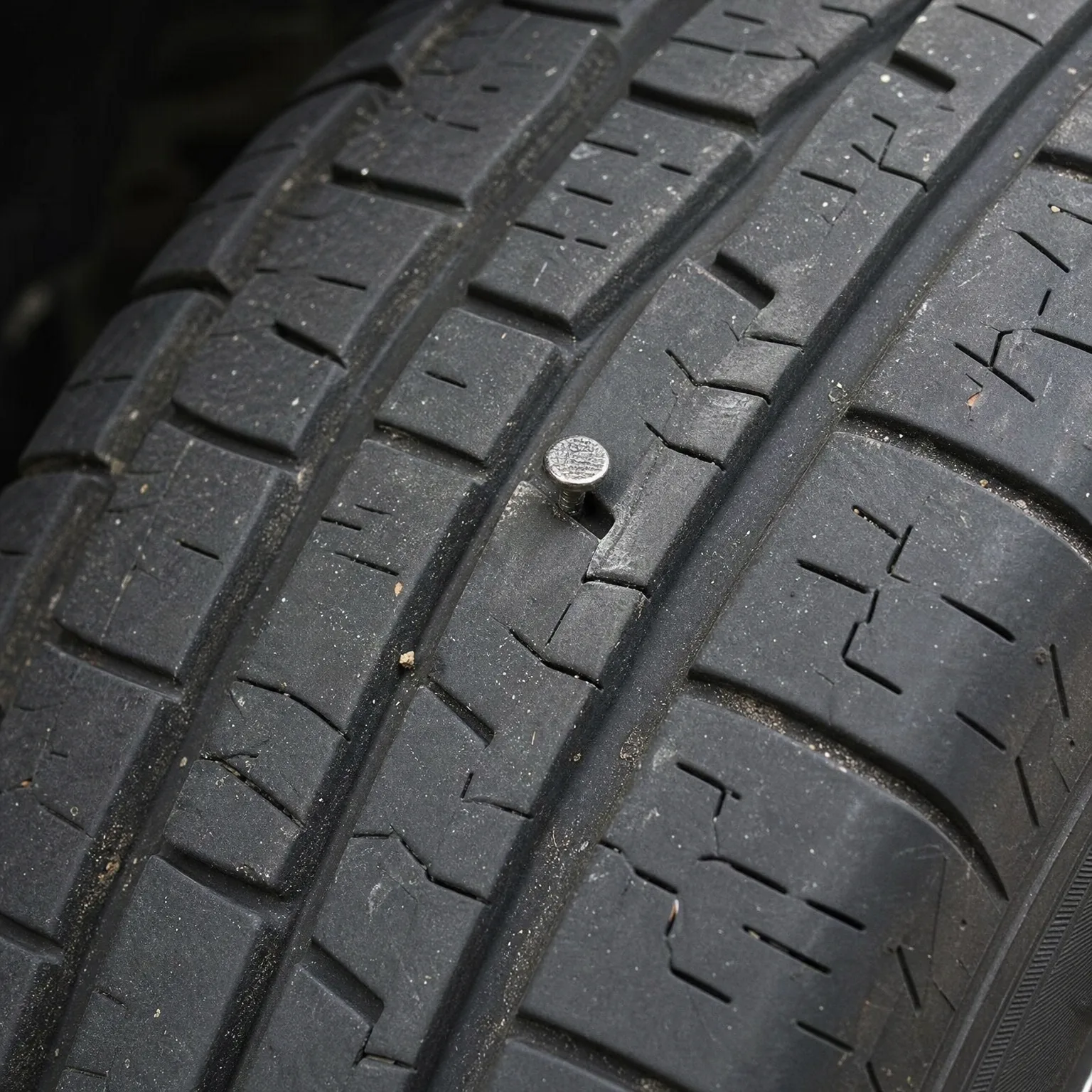
When Should I Drop Comprehensive Coverage
Drop comprehensive when your car is worth less than roughly a year of premiums plus the deductible, and not before.
It's about your car's value versus what you pay to protect it
Comprehensive covers things other than crashes, like theft, fire, weather and hitting an animal. It costs money every billing period whether or not you ever use it. The only question that matters is whether the payout you could receive is still worth more than what you're spending to keep that possibility alive. For an older car worth a small amount, the math often stops working.
The way to check this isn't guesswork. Look up what your car would actually sell for right now, not what you paid or what you think it's worth. Then look at what you're paying for comprehensive on its own, separate from your whole policy. If a full year of that premium plus your deductible gets close to the car's value, the coverage is barely protecting any money at all.
This changes if you still owe money on the car. Lenders almost always require comprehensive and collision until the loan is paid off, so dropping it without checking your loan terms can put you in violation of your financing agreement, not just your insurance. It also changes if you live somewhere with real exposure to theft, hail, flooding or deer strikes, since those are exactly the losses comprehensive pays for. If your area has any of that risk, the coverage is doing more work than the national average suggests.
There's also a quieter case for keeping it. If losing this car entirely would stop your job search or your income, a small monthly cost might be worth it even on an older vehicle, simply because replacing the car on no income is much harder than paying the premium. That's not a math question anymore, it's a cash flow one, and only you know which one you're more afraid of.
The short version
Drop comprehensive when your car's resale value is close to or less than a year of that coverage plus your deductible. Check your loan terms first, since a lienholder may require it. If you keep the car and area risk is low, dropping it is usually safe; if risk is high, it may still be worth the cost.
A driver with a paid off ten year old sedan and a sudden gap in income
Maria lost her job and sat down with her policy to see what could change. Her car was ten years old, paid off, and worth a modest amount if she sold it. She pulled up her declarations page and found comprehensive was costing her a real chunk of her premium, separate from liability and collision. She looked up her car's actual resale value using a few used listings nearby and compared that number to what a year of comprehensive would cost her plus her deductible.
The numbers were close enough that she decided to drop comprehensive but keep liability and collision, since collision still mattered to her if she caused an accident. She called her insurer to confirm there was no lender requirement, since the car was paid off, and asked them to walk through exactly what would no longer be covered. A few months later a hailstorm hit her area and damaged several cars on her street, but not having comprehensive meant that risk was hers to absorb, which she had already decided she could accept given her budget. For her situation, the trade held up, though she kept watching her area's weather risk in case she needed to add it back once her income stabilized.
Once you know what's safe to drop, compare quotes to price the coverage you've decided to keep.

Dropping comprehensive now versus keeping it while you sort out income
If you do
Your premium drops right away and stays lower as long as you keep the coverage off. If your car is stolen, flooded, hit by a falling branch or damaged by an animal, you'll pay for repairs or replacement yourself. If the car is still financed, your lender may require you to reinstate it immediately.
If you don't
Your premium stays the same and you keep protection against theft, weather and non-crash damage. You'll keep paying for coverage that may be worth more than the car itself if it's older. If money is tight, this is one of the first places to look for a lower bill without losing liability protection.

What to check before you drop comprehensive
- Your car's real resale value Look up actual sale prices for your car's year, mileage and condition nearby. This is the number that tells you whether comprehensive is still worth its cost.
- Whether you still owe on the car Lenders typically require comprehensive and collision until the loan is paid off. Check your loan agreement before changing anything, since this isn't optional while financed.
- Risk where you actually live Comprehensive covers theft, weather, flooding and animal strikes, so area risk matters. If any of these are common where you live, the coverage may be doing real work.
- What the deductible leaves you A payout minus your deductible is the real benefit you'd lose. Compare that number, not the sticker value of the car, against a year of premiums.
- Adding it back later Ask your insurer what happens if you drop it now and want it reinstated. Some insurers treat this as routine, others may price it differently once you return.