Dropping Collision and Comprehensive
Drop collision and comprehensive only if your car is worth so little that paying for it yourself beats paying premiums to insure it.
Why this comes down to your car's value, not your budget
Collision and comprehensive exist to pay you back if your car is damaged or stolen. They're priced against two things, how likely a claim is and how much your specific car is worth to replace or repair. An old car with a low value can cost almost as much to insure as a newer one, because the insurer's risk of a claim hasn't dropped even though the payout would be small. That mismatch is exactly when dropping the coverage starts to make sense.
The math is simple once you know the number. Add up what you pay for collision and comprehensive over a year, then compare it to what your car would sell for today. If the premium is close to that value, or more than a small fraction of it, you're paying a lot to insure very little. If your car is worth a lot more than the yearly premium, keeping the coverage still protects real money.
There's a second factor that has nothing to do with the car, your ability to absorb a total loss in cash. If you drop this coverage and your car is totaled next month, you get nothing from the insurer and you still need a car. If you don't have savings that could replace it, or a backup way to get around, dropping the coverage shifts risk onto a part of your life that's already strained.
This is also where a loan or lease changes things. If you're still financing the car, your lender almost certainly requires collision and comprehensive as a condition of the loan, and dropping it without telling them can violate your contract. That's not a judgment call, it's a check you need to make before you decide anything.

The short version
Drop collision and comprehensive only if your car's value is low compared to what that coverage costs you each year, and only if you could replace the car yourself if it were totaled. Check your loan terms first, since most lenders require this coverage. Otherwise, compare your car's current value against the premium before deciding.

A job loss, an older car, and a loan that was already paid off
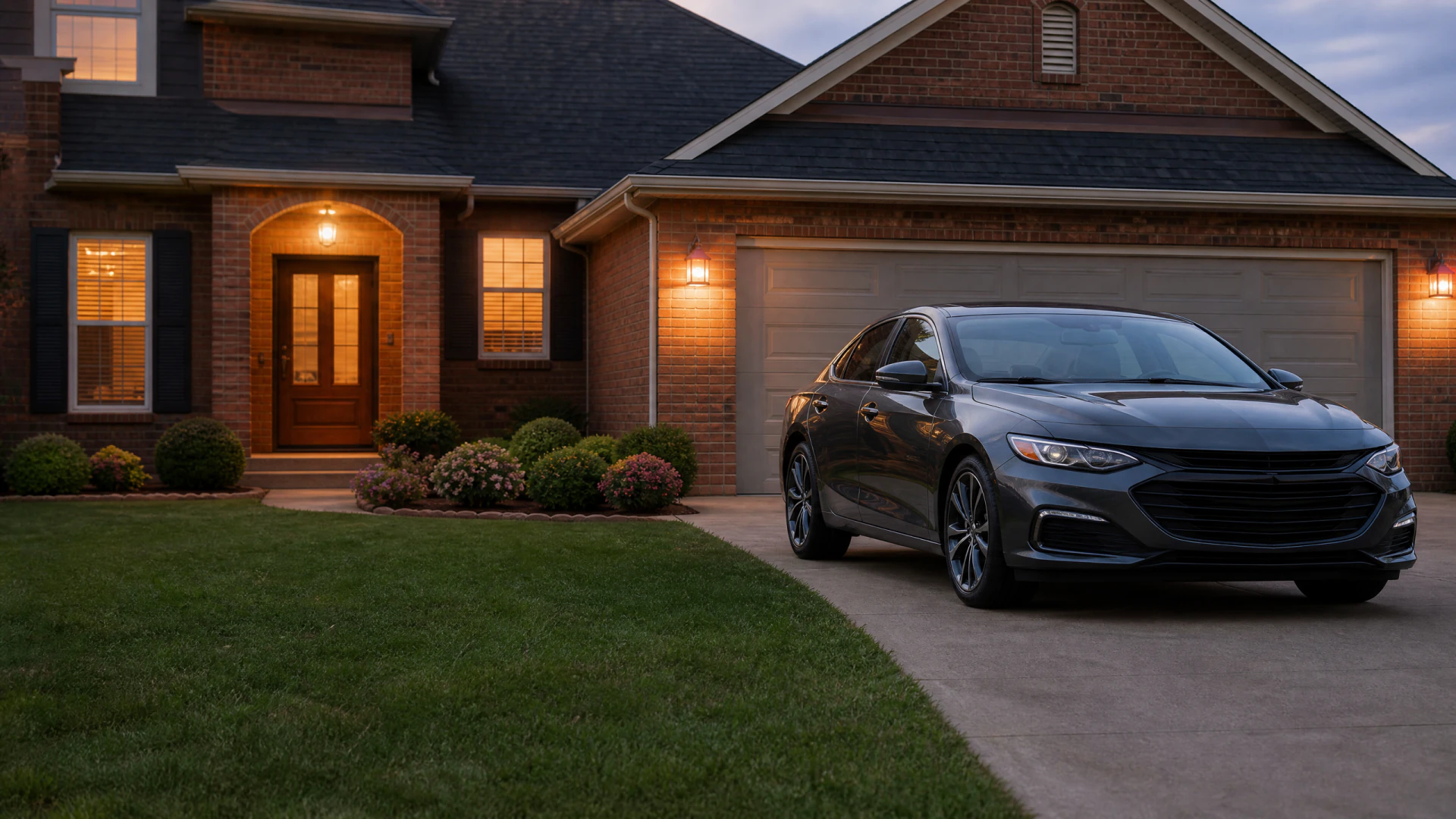
Someone lost a position that came with a company car allowance and was now covering their own older sedan, fully paid off, worth maybe a few thousand dollars. Their collision and comprehensive premium was a meaningful chunk of their monthly bill, and the car wasn't worth much more than a year or two of that coverage combined. They had a small emergency fund, enough to cover a used replacement car if this one was totaled, but not much beyond that.
They called their insurer, confirmed there was no loan requiring the coverage, and asked what liability-only would look like instead. The drop in premium was significant, and they kept it that way while job hunting, checking back in once income was stable again. A few months later they had a minor fender bender, paid for the repair out of pocket since it was cheaper than a deductible would have been anyway, and kept their lower premium the whole time. For their situation, the math held up.
Once you know whether your car's value supports this, compare quotes to see what liability-only actually saves you.

Dropping collision and comprehensive on a car you own outright
If you do
Your monthly premium drops right away, often by a large share of your bill. If your car is stolen, totaled, or badly damaged, you get nothing from the insurer and have to cover a replacement or repair yourself. You're still required to carry liability coverage to legally drive.
If you don't
Your premium stays higher, but a total loss or major damage gets paid out up to your car's value, minus your deductible. You keep a financial cushion in exchange for a bill that doesn't shrink. This matters more the less cash you have on hand right now.
Does dropping this coverage now make it cost more to add back later?
Adding collision and comprehensive back later generally doesn't carry a penalty the way letting your whole policy lapse does. You're not canceling insurance, you're adjusting what's covered under an active policy, so your coverage history and any continuous-coverage discounts usually stay intact. You can typically add it back whenever your situation changes, whether that's a new job, a better car, or just more savings.
What does change is the math you're checking. If you buy a different, more valuable car later, or your financial cushion shrinks, redo the comparison between premium and car value before deciding. Rules about how insurers treat added coverage can vary, so when you're ready to add it back, ask directly whether anything about your rate or terms changes because of the gap, rather than assuming it's identical to before.