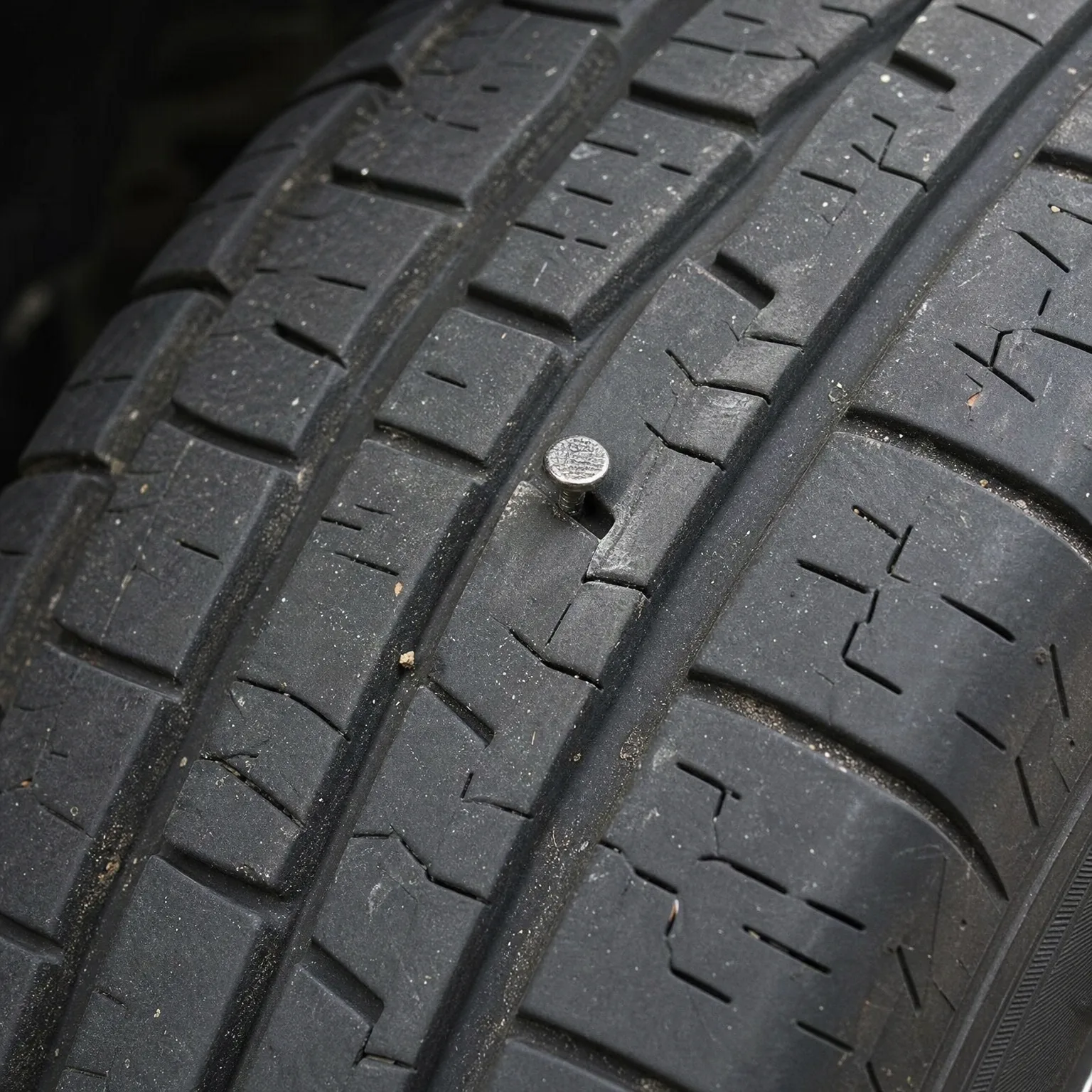
Is Full Coverage on a Vehicle Worth It
Full coverage is worth it when your car is worth more than you could pay to replace or fix it out of pocket today.

A paid-off car with a lower market value
Someone lost a steady paycheck and still needed their car for interviews and part-time shifts. The car was eight years old, paid off, and worth a modest amount if sold. They were carrying full coverage out of habit, the same policy that had been set up years earlier when the car was newer and worth much more.
They called their insurer, asked what the car was actually worth now, and compared that number to what they were paying for comprehensive and collision coverage each year. The cost of keeping that coverage was close to what the car itself was worth. They dropped comprehensive and collision, kept liability at the state minimum plus a bit more, and lowered the payment enough to make it manageable. A few months later they sold the car anyway and bought something cheaper, so the decision only mattered for a short stretch, but it bought them breathing room exactly when they needed it.
How do I know what my car is actually worth before I decide?
Look up your car's private-party value using its year, make, model, mileage and condition through a valuation tool, not what you paid for it or what you think it's worth sentimentally. That number, compared to your annual premium for comprehensive and collision, tells you the real math.
If the coverage costs a large share of the car's value every year, dropping it and setting aside savings instead often makes more sense. If the car is newer, financed, or worth significantly more than the premium, keeping full coverage usually still protects you better than self-insuring would.

Now that you know what to decide, compare quotes to find the right price for the coverage you've chosen.
It comes down to what you'd lose versus what you'd pay
Full coverage exists to protect the value of the car itself, not just other people or property. Comprehensive and collision pay out based on your car's current market value, not what you originally paid. So the real question is never whether full coverage is good in general. It's whether your specific car is worth enough that losing it would hurt more than the premiums you're paying to prevent that loss.
When a car is newer or still financed, the math usually favors keeping full coverage. Lenders typically require it anyway, and the gap between the car's value and what you'd owe if it were totaled can be large. Replacing or repairing a newer car out of pocket is a real financial blow for most people, which is exactly what this coverage is built to prevent.
When a car is older, paid off, and worth a modest amount, the equation shifts. If you're paying a large portion of that value every year just to insure against damage to the car, you're sometimes better off setting that money aside yourself and accepting the risk. This doesn't mean dropping liability coverage, which protects you against claims from others and is usually required by law. It means reconsidering just the portion of your policy that protects the car's own value.
The cases where this gets complicated involve cars you can't easily replace, whether because of a loan balance, a long commute with no alternative, or a car that's unusually expensive to repair even if its resale value looks low. In those situations, run the actual numbers with your insurer rather than guessing, because the right answer depends on your car, not on a general rule.
The real question isn't whether full coverage is wise, it's whether your car is worth enough to need it.
What happens if I drop full coverage and then get in an accident?
You'd pay for repairs or a replacement car yourself, since comprehensive and collision are what cover damage to your own vehicle. Liability coverage, if you keep it, still pays for damage you cause to others. Before dropping full coverage, check whether you have savings that could cover a repair or replacement, since that cushion is what makes this choice safe rather than risky.
Can I drop full coverage now and add it back later without a penalty?
Usually yes, since comprehensive and collision can typically be added or removed at any point, not just at renewal. Check with your insurer whether changing coverage this way affects your premium when you add it back, since some insurers price it differently depending on your claims history during the gap. This makes it a reasonable short-term move if your income situation is temporary.
Does my car loan or lease require me to keep full coverage?
Usually yes, if you're still financing or leasing the car, since the lender has a financial interest in it until it's paid off. Check your loan or lease agreement for specific coverage requirements, since dropping coverage without approval can violate the contract. If the car is paid off and titled in your name alone, this requirement no longer applies and the decision is fully yours.