Why Is Driving Uninsured a Problem
Driving uninsured trades a bill you can see now for a debt you can't control later, and that trade almost never works in your favor.

What's actually at stake if you let coverage lapse
- You pay for the other car If you cause a crash, you owe for the other person's vehicle and medical bills yourself. That can mean wage garnishment or a lien on anything you own, right when you can least afford it.
- Your license can get suspended Most states pull your license and registration if you're caught driving uninsured. Getting it back usually means fees and proof of coverage, which costs more than staying insured did.
- Your next policy costs more A lapse in coverage tells insurers you're a bigger risk, even if the lapse was about money, not driving. Check how long a gap stays on your record before it stops affecting price.
- You can still be sued personally Insurance protects your assets, not just your car. Without it, a lawsuit after an accident can come after your savings, your paycheck or property you own.
- Job hunting gets harder If your state suspends your license over a lapse, getting to interviews or a new job becomes its own problem. That's a cost beyond the premium itself.
Letting the policy lapse to save money for one month
Someone lost their job and let their car insurance lapse for a few weeks while they figured out their budget. They still needed the car to get to interviews, so they kept driving, assuming a short gap wouldn't matter much. A few weeks in, another driver ran a light and hit them. Because the other driver was uninsured too, there was no coverage on either side to pay for the damage or the medical visit that followed.
The driver ended up covering the repair costs out of pocket and dealing with the other driver directly, which took months and never fully resolved. When they went to buy a new policy, the lapse showed up and raised the price they were quoted, on top of what they'd already lost from the accident. Dropping coverage for a few weeks ended up costing far more than adjusting the policy would have. Reducing coverage limits or increasing a deductible would have kept them protected for less money, without the gap.
What should I do instead of letting my insurance lapse?
Call your insurer before you cut anything. Ask about raising your deductible, dropping optional coverage like roadside assistance, or removing collision coverage on an older car that isn't worth much. These changes lower your bill while keeping the core liability coverage that protects you from lawsuits and unpaid damages.
Also ask if they offer a hardship pause or temporary reduction for job loss specifically, since some insurers have a process for this that isn't advertised. If the car won't be driven at all for a while, ask about a non-driving or storage policy instead of cancelling, since that can keep you from facing a lapse when you're ready to drive again. Check what your state and insurer offer, since this varies.
Compare quotes now that you know which coverage to protect and which costs you can safely trim.
Why a lapse costs more than it saves
Insurance exists to separate a cost you can plan for from a cost you can't. The monthly premium is predictable. A crash is not. When you drop coverage to save the predictable cost, you're not saving money, you're just moving the risk of the unpredictable one onto yourself, at a moment when you have the least ability to absorb it.
States require liability insurance because driving creates risk for other people, not just you. That's why the penalties for lacking it aren't just financial, they often involve your license directly. A suspended license affects your ability to work, which is the opposite of what you need while you're job hunting.
Insurers price risk partly on continuity. A gap in coverage reads as unpredictable behavior, even when the real story is a layoff. That's why reinstating coverage after a lapse often costs more than keeping some policy active the whole time, even a reduced one. The math works against stopping coverage entirely in almost every case.
Where this plays out differently is if the car genuinely isn't being driven at all. Some states and insurers allow a non-operation or storage status that satisfies registration requirements without full coverage, and that can be the one safe way to stop paying for liability insurance temporarily. Check what your state requires here, since rules on this vary and the car still needs to stay off public roads to qualify.
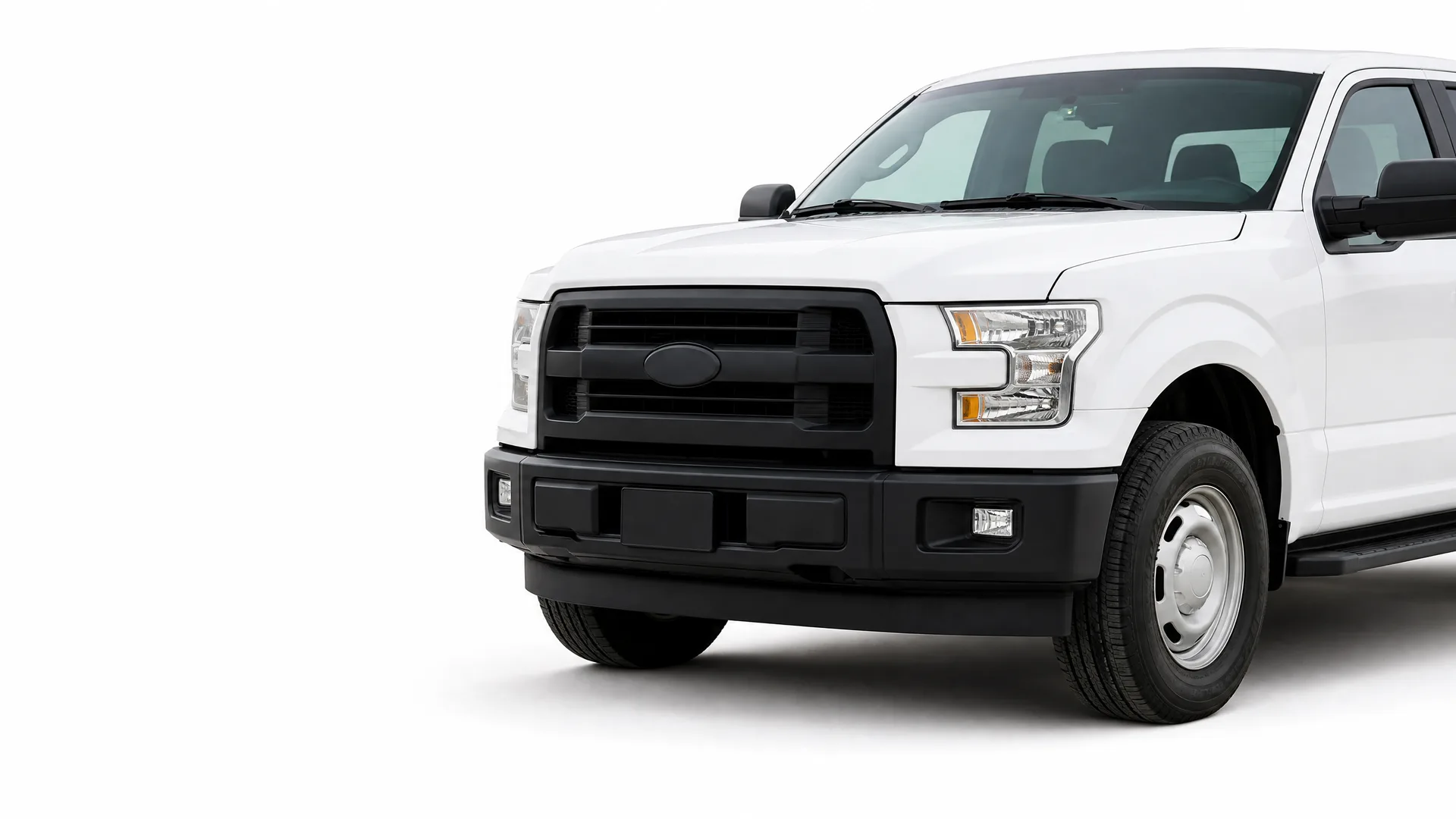
The premium is the cost you can see. Driving uninsured hides a much larger one behind it.
Can I just pay for insurance only when I actually drive?
Not in the way most people imagine it. Standard policies require continuous coverage, but some insurers offer usage-based or pay-per-mile plans that lower cost if you're driving less right now. Check if your insurer offers this before assuming you need to cancel entirely. This fits well if your driving has dropped sharply since losing steady work.
Will my insurer know if I had a gap in coverage?
Yes, insurers check coverage history when you apply for a new policy or add a car. Gaps are visible through shared industry databases, not just self-reported. If you let a policy lapse and reapply later, expect to be asked about it directly, and expect the quote to reflect it until enough time passes.
Is it cheaper to drop to the state minimum coverage?
It lowers your premium, but it raises what you'd owe out of pocket after a serious accident. The state minimum covers only what the law requires for others, often leaving your own car and larger claims unprotected. Check your state's minimum against what a typical repair or medical claim actually costs before deciding this is enough.