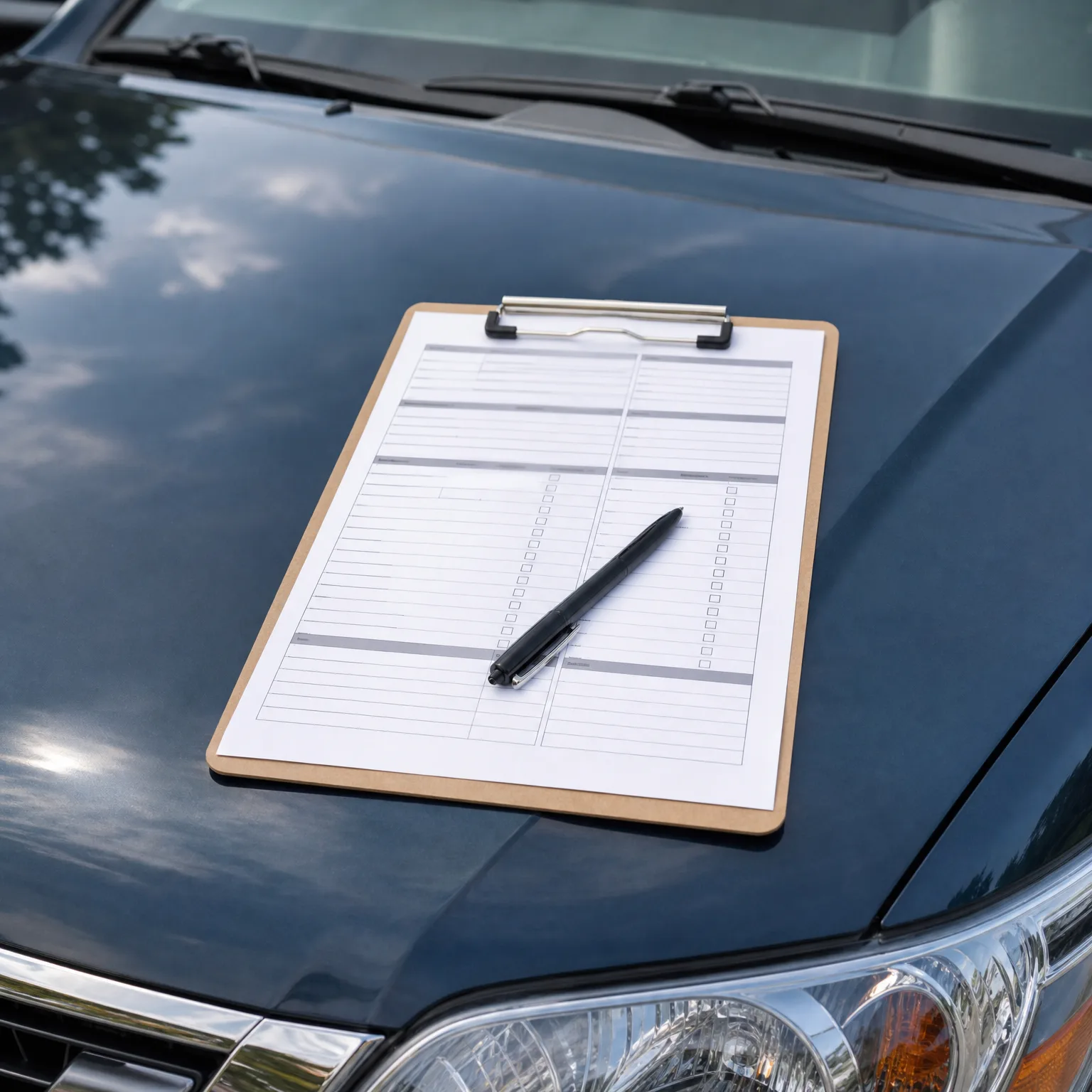
Why Car Insurance Quotes Change After Signup
Your price changes after signup because the first quote was an estimate, and the real price gets built from facts the insurer verifies.

These are the usual reasons your price moved
- Verified driving record The quote used what you reported, then the insurer pulled your actual record. If something didn't match, the price adjusted to reflect it.
- Credit-based insurance check Many insurers check a credit-based score where that's allowed. If this wasn't factored into the first number, it can shift the final one.
- Vehicle details confirmed The exact trim, safety features, or mileage on your car can change the math once confirmed. Check your declarations page against your actual vehicle.
- Prior coverage gaps A lapse in coverage, even a short one, can raise the price once it's verified. Ask the insurer directly how they define a gap and how long one matters.
- Household drivers added Anyone else who drives your car regularly may need to be listed, which changes the price. Confirm who counts as a household driver with your insurer.
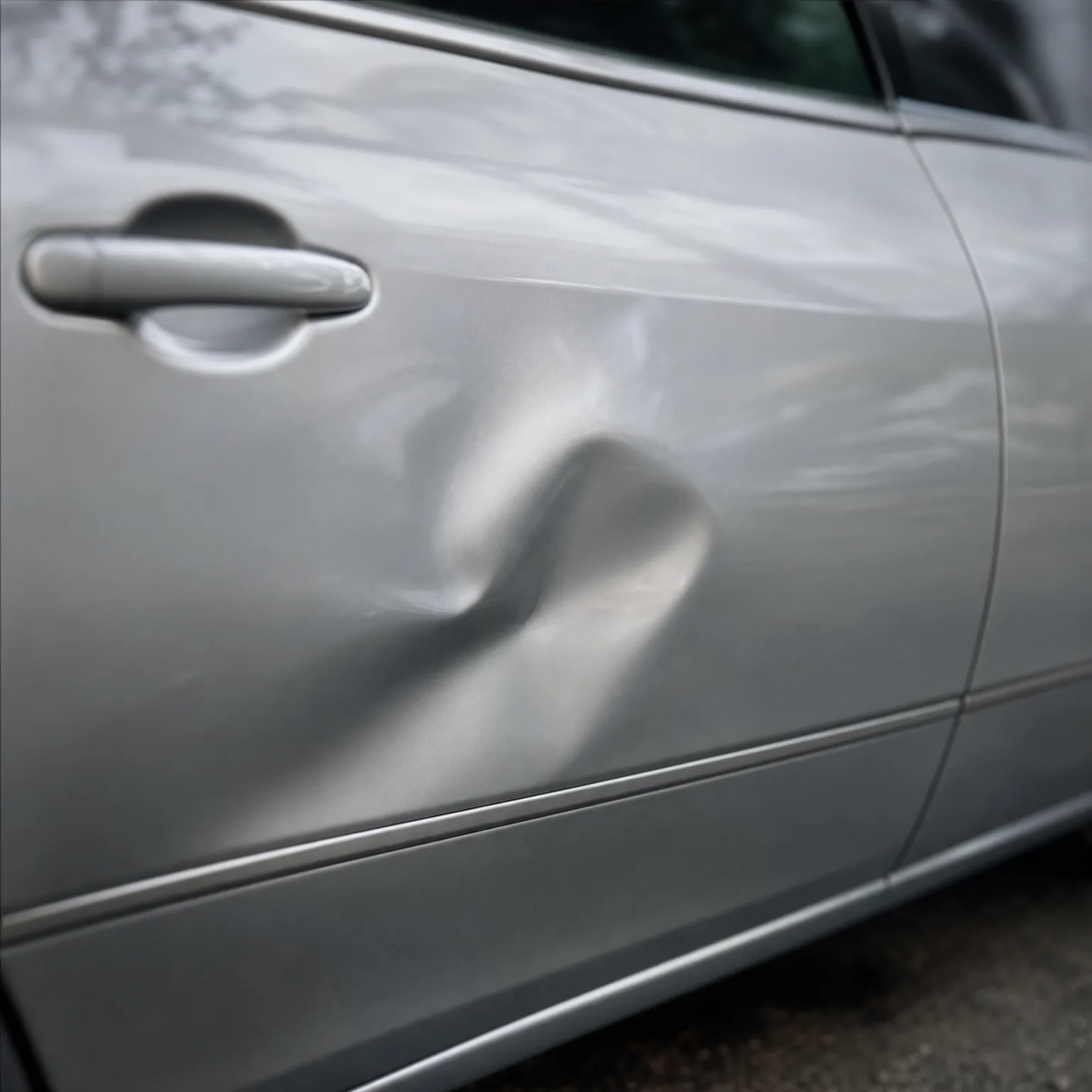
When a quote jumps right after you lose your job
You got a quote online for a price that felt manageable given everything else you're juggling. You signed up, relieved to have one less thing to worry about, and a few days later got an email saying your rate had gone up. The insurer had pulled your driving record and found a ticket from over a year ago that you'd forgotten to mention, not because you were hiding it but because it genuinely slipped your mind during a stressful week of job hunting and bill triage.
You called the insurer instead of just accepting the new number. You asked exactly what changed and whether there was a way to offset it, and they pointed out that raising your deductible slightly would bring the price back down close to what you'd first seen. You also asked about paying in full for a few months instead of monthly, since you had a small severance cushion, and that shaved off a bit more. The final price was still a little higher than the first quote, but you understood why, and you weren't blindsided by it again at renewal.
Can they keep raising my price again later?
Yes, but not arbitrarily. Your price can change at renewal based on new information, like a claim, a new ticket, where you live, or shifts in how the insurer prices risk generally. It is not usually changed again for the same policy term once it starts, barring new facts like an accident or a change you report yourself.
What protects you is understanding what's locked in for this term versus what gets reevaluated at renewal. Ask your insurer directly what would trigger a change before your next renewal date and what stays fixed regardless of what else happens. That answer varies by insurer and sometimes by state, so get it in writing or through their official channels rather than guessing.
Now that you know why the number moved, compare quotes using the real factors instead of the first guess.
The first number is a guess, the second is a fact
Quotes start as estimates because insurers price you based on what you tell them before they've confirmed anything. This is normal and happens everywhere, not because anyone is being deceptive, but because verifying every detail before giving you a number would slow the process down for everyone. The estimate gets you in the door so you can compare options quickly, and the real work of confirming happens after.
Underneath that first number is a set of assumptions, about your driving history, your address, your car, and sometimes your credit-based insurance score where that's used. Once you sign up, the insurer checks those assumptions against actual records. If everything matches, your price doesn't move. If something doesn't, the price adjusts to reflect the more accurate picture.
This works out differently depending on what's being verified and which state you're in. Some states limit or prohibit certain factors, like credit-based scoring, so what moves your price in one place might not in another. Check your state's rules or ask the insurer directly which factors apply where you live, since this isn't universal.
The cases where this goes the other way, where your price drops after signup, usually involve something working in your favor that wasn't captured in the initial estimate, like a safety feature on your car or a driving history that turned out cleaner than assumed. Either way, the lesson underneath all of it is the same. The quote is a starting point, and the real price is built from what gets confirmed.

Can I cancel if my price goes up after I sign up?
Yes, you can typically cancel within a short window without penalty, though this varies by insurer and sometimes by state. Check your policy documents or call the insurer directly to ask about their specific cancellation window and whether any fees apply. If you've already paid for coverage, ask how a refund for unused time would be calculated before you decide.
Will shopping around again right now hurt my credit?
It depends on how the insurer checks your information, but most insurance inquiries don't affect your credit score the way a loan application would. Ask any insurer you're considering whether they use a soft or hard pull before you apply. If you're unsure, request this confirmation in writing so you're not guessing when your credit matters for other things.
Is it normal for every quote I get right now to be different?
Yes, because each insurer weighs the same facts about you differently, so variation between quotes is expected and not a sign anything is wrong. What matters is comparing quotes that use the same coverage levels and deductible, since a lower price might just mean less coverage. Ask each insurer to confirm exactly what's included before comparing the number.