What Happens if Car Insurance Has the Wrong Address
A wrong address can delay a claim or raise your rate without you knowing it, so fix it as soon as you notice.
What an old address actually puts at risk
- Claim delays or denial Your insurer may question coverage if your address doesn't match where the car is actually kept. Update it before you file anything, not after.
- Rate mismatch Premiums are partly based on where you live, so an old address could mean you're paying a rate meant for somewhere else. Correcting it may raise or lower your bill.
- Missed mail and lapses Renewal notices and payment reminders go to the address on file. If it's wrong, you might miss a bill and risk a lapse without realizing it.
- Documents don't match Your license, registration and insurance should all show the same address in most places. Check your state's rules so nothing conflicts if you're stopped or audited.
- Fraud flags A mismatched address can look like misrepresentation even when it's just an oversight. A quick correction now avoids that question coming up later.
Moved for a new job, forgot to update the policy
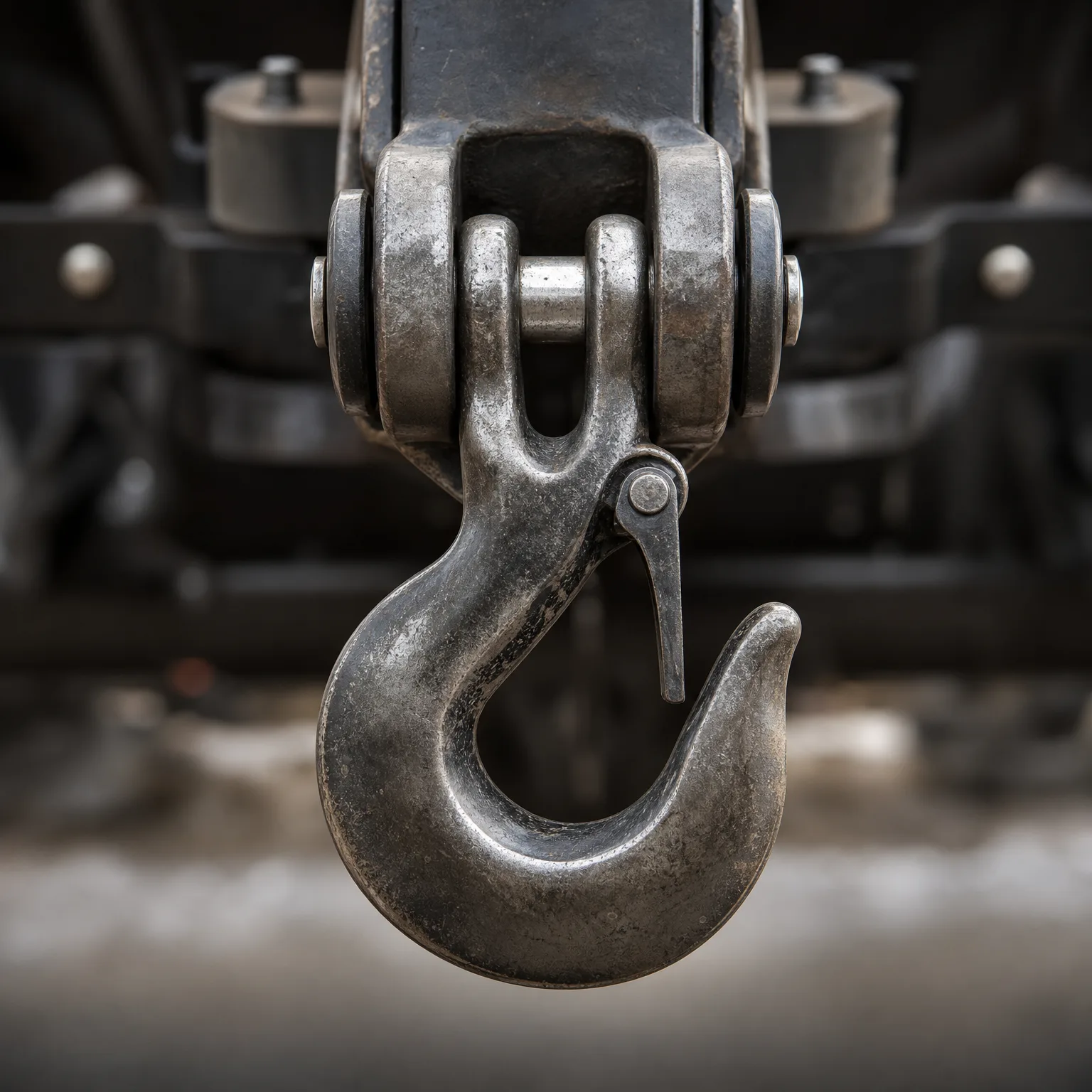
Someone moved across town for a new job six months ago and never got around to updating their car insurance. They assumed it didn't matter much since the car and the commute were still similar. Then they got rear-ended near their new place and filed a claim.
The insurer asked why the address on file didn't match where the accident happened. It wasn't a dealbreaker, but it slowed everything down while they verified the move was legitimate and not an attempt to get a cheaper rate under false pretenses. The claim was eventually paid in full. Afterward, they called and updated the address immediately, and their premium actually went up slightly because the new neighborhood had a higher rate for their coverage. They were annoyed by the increase, but relieved it hadn't caused a bigger problem during the claim itself.

Updating your address now versus leaving it as is
If you do
You give the insurer your real address, which may adjust your rate up or down. Claims move faster because nothing needs extra verification. Mail and renewal notices reach you reliably. It takes a short call or a few minutes online, and the problem is settled for good.
If you don't
Your file keeps showing an outdated location, which can slow down or complicate a claim later. You risk missing a bill or renewal notice sent to the old address. If the mismatch looks intentional, the insurer may question the whole policy, not just the one claim.
Once your address is current, compare quotes to see what your real location should actually cost you.
Why your address matters more than it seems
Insurers price risk based partly on where a car is normally parked and driven. Different areas have different rates of theft, accidents and claims, so your address is one of the core pieces of information they use to set your premium. When that address is wrong, the price you're paying doesn't match the risk they're actually covering, and that mismatch is exactly what gets questioned if something goes wrong.
It also matters for logistics, not just pricing. Renewal notices, declaration pages and requests for information all go to the address on file. If it's outdated, you might not see something important until it's already a problem, like a lapse notice that arrives after your coverage has already ended.
In most cases, an old address is treated as an honest mistake, something to correct rather than something to punish. Insurers deal with moves constantly and have a standard process for updating it. The exception is when the mismatch looks deliberate, like using a relative's address in a cheaper area while actually living and driving somewhere pricier. That can look like misrepresentation, and it's treated differently than a simple unreported move.
What counts as acceptable can vary by state and by insurer, especially around how quickly you're expected to report a move. Check your policy documents or ask directly what the reporting window is, since assuming it doesn't matter is the riskiest option of all.

Will updating my address cancel my policy or restart it?
No, updating your address doesn't cancel or restart your policy. It's a routine change that adjusts your file and possibly your premium, but your coverage, start date and claims history stay intact. The insurer simply recalculates your rate based on the new location if needed. If you're ever told it requires a brand new policy, ask why, since that isn't standard practice for a simple address update in most cases.
Can I use a family member's address to get a lower rate?
You shouldn't, because insuring a car at an address where it isn't actually kept can be treated as misrepresentation. If an insurer discovers the real address during a claim, they may delay payment or deny coverage entirely while they investigate. Using an address you don't actually live at might lower your quote now, but it creates real risk later. If cost is the issue, ask the insurer directly what else might bring the price down honestly.
Do I need to update my address with the DMV too?
In most places, yes, since your license and registration are usually expected to match your current address as well. The specifics vary by state, including how quickly you must report a move and whether there's a separate process for each document. Check your state's motor vehicle agency for their exact rules. Keeping your license, registration and insurance all consistent avoids complications if you're ever stopped or involved in an accident.