Selling a Car to Cut Costs
Selling a car lowers your insurance bill right away, as long as you cancel that policy correctly and handle the remaining car's coverage.
One less car means one less policy to pay for, nothing more
Insurance is priced per car, not per household. When you sell a car and remove it from your policy, that portion of the premium goes away. This is straightforward and works the same everywhere, but how you cancel matters more than people expect.
If you still have another car, don't cancel the whole policy. Call your insurer and ask them to remove the sold car specifically, keeping the rest of your coverage active under the same policy. This protects your continuous coverage history, which insurers use to set future prices. A gap, even a short one, can make you look riskier later, so this step is worth doing carefully rather than quickly.
If the sold car was your only car, you're ending the policy entirely. Make sure the sale is finalized and the title is transferred before you cancel, so you're not uninsured while still technically the owner. Ask your insurer what proof they need and whether any refund applies for time left on the policy. Rules about refunds and proof vary by insurer, so check directly with yours.
The one case where this gets complicated is if you plan to buy another car soon. If there will be any gap between cars, think about whether you need a short-term way to stay insured, since a lapse can follow you into your next quote even if it's brief.
One car sold, one kept, and a mistake avoided
Someone with two cars on one policy loses a job and decides to sell the older, second car to save money since they're not using it much and need the cash. Before listing it, they call their insurer to ask what happens to the policy once it sells, rather than assuming cancellation is automatic.
The insurer explains that removing just that car, rather than canceling everything, keeps the main car insured without interruption and lowers the bill immediately. Once the sale closes, they send proof of the transfer, the car comes off the policy, and the premium drops that same billing cycle. Because they asked first, there's no gap in coverage on the car they still drive every day, and no awkward moment where they're accidentally uninsured during the sale.
Selling a car saves money cleanly only if you remove it correctly, not by canceling everything out of relief.
Once you know how to remove the car without a coverage gap, compare quotes to see your lower rate.
Will selling my car make my next insurance more expensive somehow?
No, not if you handle the cancellation properly. Selling a car and removing it from your policy, or ending the policy because it was your only car, doesn't hurt your future rates by itself. What raises future rates is a lapse in coverage, meaning a period where you owned a car but had no insurance on it.
As long as you keep your remaining car insured without interruption, or you cancel cleanly after the sale is final with no car left to insure, your insurance history stays intact. Insurers look at that history, not at the fact that you once sold a car. The only time this becomes a problem is if you let a policy lapse while deciding what to do next, so the timing of your cancellation matters more than the sale itself.
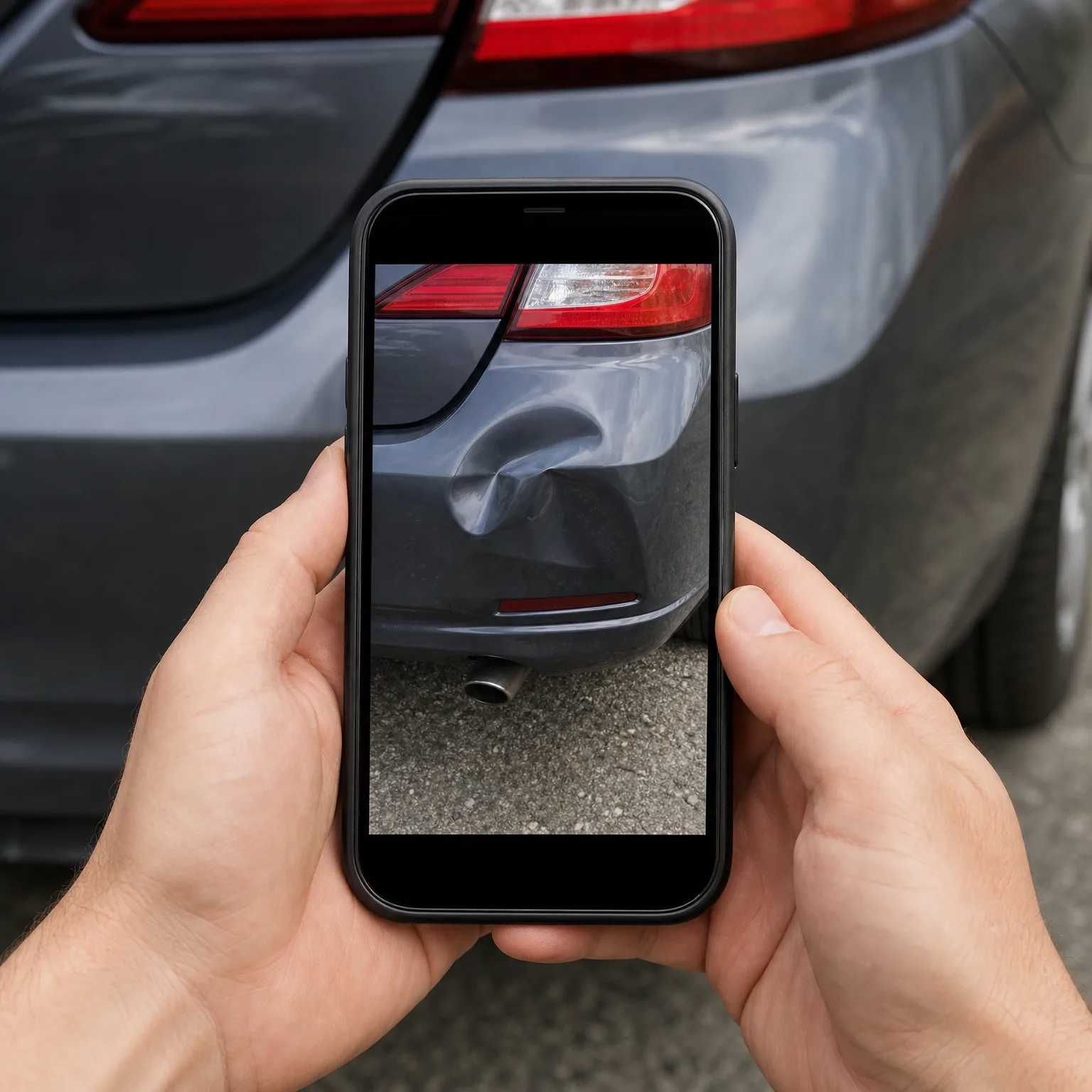
What to get right when you sell
- Remove, don't cancel If you're keeping another car, ask your insurer to take the sold car off the policy instead of ending it. This keeps your remaining car covered without a gap.
- Confirm the sale first Don't cancel coverage until the title has actually transferred to the buyer. You're still liable for the car until ownership officially changes hands.
- Ask about a refund If you paid in advance, you may be owed money for the unused time left on the policy. Ask your insurer directly, since this varies.
- Plan for the next car If you'll buy another car soon, think about any gap in between. Even a short lapse can affect how insurers price your next policy.
- Update who's on the policy If the sold car was driven by someone else in the household, like a teen driver, check whether they need to be moved or removed too.
Do I get money back from my insurance when I sell my car?
Often yes, if you paid your premium in advance and cancel before that period ends. Insurers typically refund the unused portion, though how it's calculated and whether there's a fee varies by company. Ask your insurer directly once the sale is final, since policies differ on timing and method of refund.
Can I remove a car from my policy without canceling the whole thing?
Yes, this is the normal way to handle it when you still own another car. You call your insurer, tell them which car was sold, and they adjust the policy to cover only your remaining car. This keeps your coverage history continuous and usually lowers your premium immediately.
What if I'm selling my car privately instead of trading it in?
The insurance steps are the same either way. What changes is the paperwork, since a private sale means you handle the title transfer yourself rather than a dealer doing it. Keep a copy of the signed title transfer or bill of sale as proof for your insurer when you remove the car from your policy.