Reducing Coverage Temporarily
You can lower your premium now by raising deductibles and trimming extras, without dropping the coverage that protects you from lawsuits.
Your liability coverage protects your future, not just your car
Car insurance is really two different things bundled together. One part protects other people and their property if you cause an accident, that's your liability coverage, and it's tied to your legal responsibility, not your car's value. The other part protects your own vehicle, through collision and comprehensive coverage, and that part is really optional once your car is paid off or worth less than a year or two of premiums.
This is why the advice is almost always the same. Raise your deductibles on collision and comprehensive, because that lowers your premium while keeping the coverage in place for a real disaster. Drop coverages tied to your car's value if that value is low, since you'd be paying to protect an amount you wouldn't get back anyway. But keep your liability limits where they are, because a lawsuit after an accident can follow you for years, and that risk doesn't shrink just because your income did.
Where this gets different is state rules and insurer rules. Some states set a minimum liability limit you can't go below, and some insurers bundle certain coverages together so you can't drop one without the other. Check your state's minimum requirements and your policy's fine print before you assume a coverage can be removed.
The other variable is your car itself. If you're still financing or leasing it, your lender usually requires you to carry collision and comprehensive at a set deductible, so you may not have as much room there as you'd think. If you own it outright, you have more freedom to decide what level of protection makes sense for a car you could replace yourself if needed.
What happens if I just stop paying and let the policy lapse?
A lapse almost always costs you more than the coverage reduction you're trying to make. Insurers see a gap in coverage as a sign of risk, and when you reapply, even weeks later, you'll likely be quoted a higher rate than you had before, sometimes significantly higher.
A lapse can also leave you completely unprotected if anything happens during that gap, including a parked-car accident or weather damage, not just a crash while driving. If you're worried about missing a payment, call your insurer before that happens. Ask about a lower-coverage version of your policy, a payment extension, or a different payment schedule, instead of letting it cancel outright.

Now that you know what to adjust and what to protect, compare quotes to see how much a smarter policy saves you.

Call your insurer before you cut anything
If you do
You tell them your situation and ask what can change. They walk you through raising deductibles, dropping optional coverages, and any hardship options they offer. You end the call with a specific new premium and a policy that still protects you legally, with no gap and no guessing.
If you don't
You guess which coverages to drop on your own, maybe through the app, and you might remove something your lender requires or lower your liability below your state's minimum. You find out something was wrong only when a claim gets denied or a lender flags it, costing far more than the call would have.
What to change and what to leave alone
- Raise your deductibles A higher deductible lowers your premium right away because you're agreeing to pay more out of pocket for a claim. Only raise it to an amount you could actually cover if you needed to.
- Drop coverage on an old car If your car is paid off and worth little, collision and comprehensive may cost more than they'd ever pay out. Check your car's value against your annual premium for those coverages before deciding.
- Keep your liability limits This coverage protects you from lawsuits and debt if you cause an accident, and that risk has nothing to do with your income. Don't lower this just to save money.
- Ask about usage-based discounts If you're driving less while job hunting, ask your insurer if they offer a low-mileage or usage-based discount. This can lower your rate without removing any protection.
- Check lender requirements first If you're still financing or leasing your car, your lender sets a minimum coverage you must carry. Call them or check your loan paperwork before dropping anything.
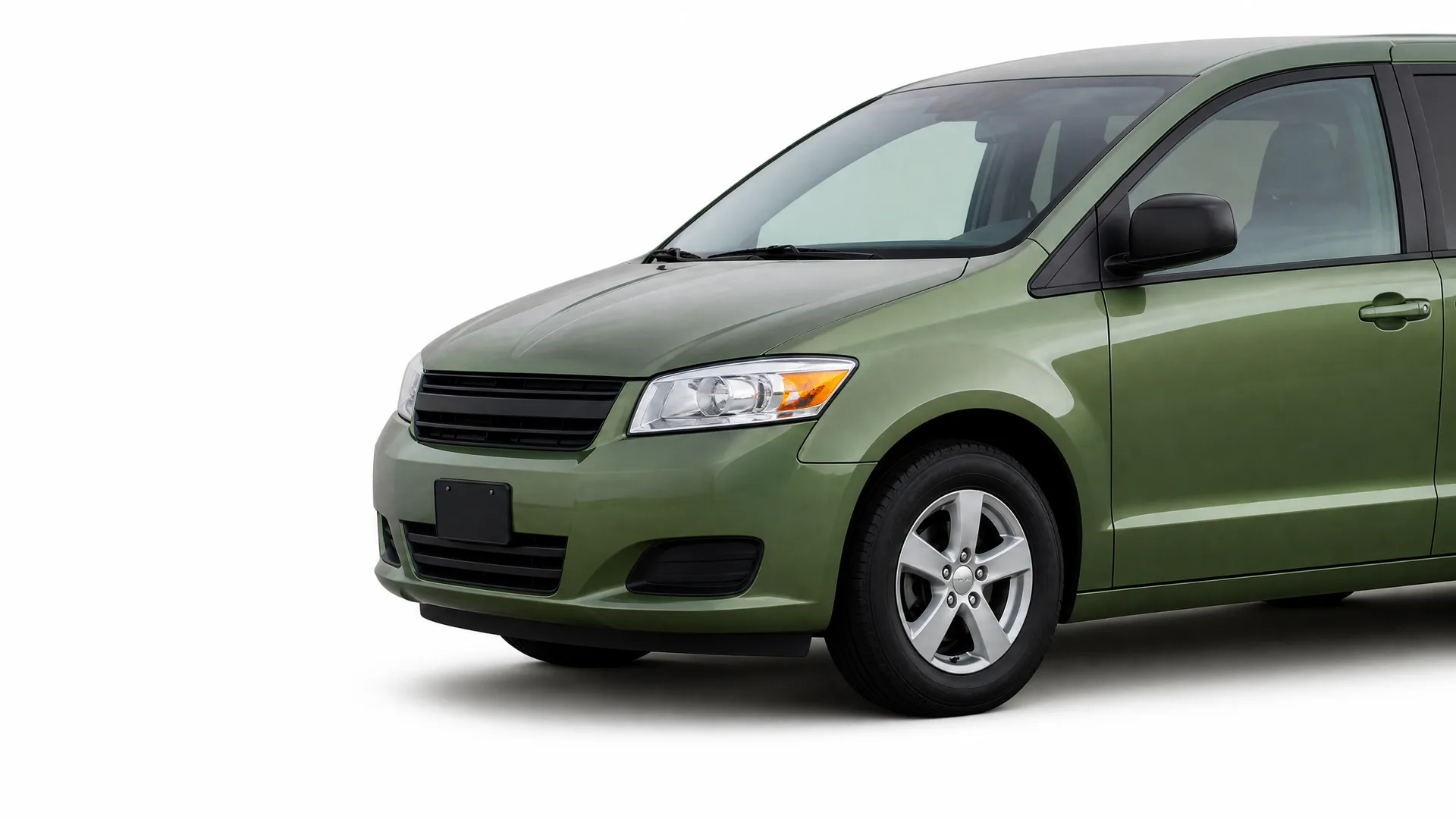
The coverage protecting your money isn't the coverage protecting your car, so cut from the right side.