Insurance Lapse While Car Is Not Being Driven
Letting your policy lapse can leave you uninsured and facing higher rates later, even if the car never leaves the driveway.
A lapse protects nothing and costs you later
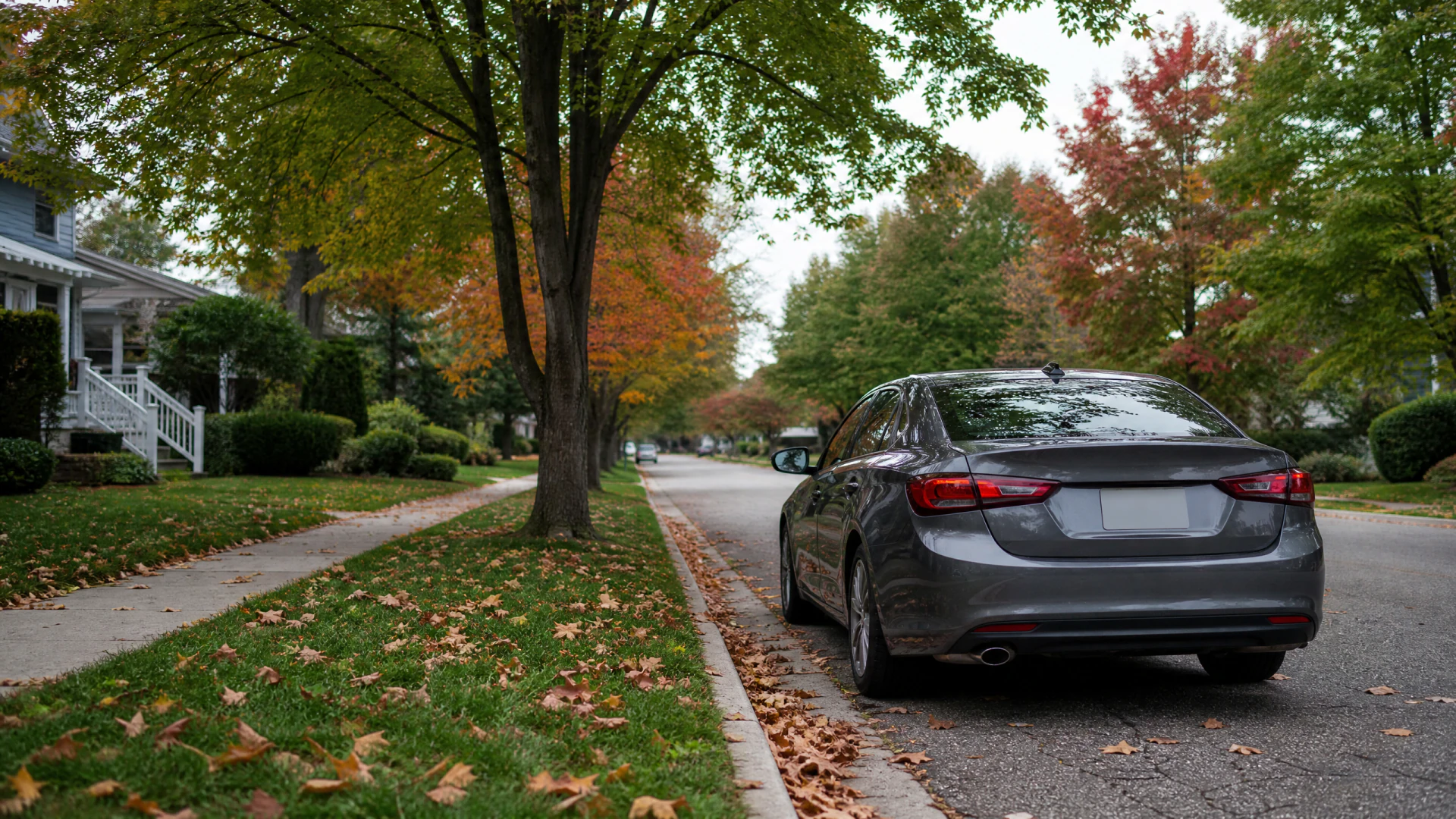
Insurance isn't just about driving. It covers the car itself, sitting in a driveway or parking lot, against theft, fire, falling branches, and other damage that has nothing to do with whether the engine ever turns on. If you cancel entirely, none of that is covered anymore. One bad week of weather or a break-in and you're paying the full cost yourself.
There's also the record insurers keep. When a policy lapses, that gap shows up when you apply again, and many insurers treat a lapse as a sign of higher risk, not just bad timing. The next policy can cost more than the one you canceled, sometimes enough to erase whatever you saved by dropping coverage for a few months.
This is why insurers offer a different path for cars that aren't being driven. You can usually keep a reduced version of the policy, often called comprehensive-only or stored-car coverage, that drops the liability and collision pieces tied to driving but keeps protection against theft and damage. It costs much less than full coverage but keeps the record continuous.
Whether this option exists, what it's called, and how it affects your rate when you add driving coverage back all depend on your insurer and your state. Some states also have rules about how long a car can go without insurance before registration is affected. Call and ask specifically what happens to your rate history if you drop to this reduced coverage versus canceling outright.
What to check before you let anything lapse
- Ask about reduced coverage Tell your insurer the car isn't being driven and ask if they offer a cheaper policy that only covers theft and damage. This keeps your record continuous.
- Check your registration rules Some states require continuous insurance to keep a car registered, even if it's parked. Look up your state's rule before you cancel anything.
- Compare the gap cost directly Ask what a new policy would cost after a lapse versus staying on reduced coverage now. Put the two numbers side by side before deciding.
- Cover non-driving risks Theft, fire, and weather damage happen to parked cars too. Decide if you can absorb that cost yourself before dropping coverage completely.
- Set a coverage reminder If you do pause coverage, mark the date you'll need full coverage again. Missing that window means driving uninsured without noticing.
The real cost of a lapse isn't the gap itself, it's the higher rate that follows you afterward.
Once you know whether reduced coverage fits your situation, compare quotes to see what it actually costs.

When the job search means the car sits for a while
Someone lost their job and the company car went with it. Their own car sat in the driveway because they were doing interviews remotely and didn't want to put miles on it or pay for something they weren't using. Canceling the policy felt like the obvious way to save money fast.
Before doing that, they called their insurer and asked directly what happens to parked cars. The insurer offered a reduced policy that dropped the driving-related coverage but kept protection against theft and weather damage, at a lower price than the full policy. They switched to that instead of canceling, kept their insurance history intact, and when they got a job offer three months later and needed to drive again, they called to add full coverage back without any lapse showing up and without a higher rate from being treated as a new, riskier customer.
Will my rate go up even if I never miss a payment?
It can, but not because of anything you did wrong day to day. Insurers look at how long you've had continuous coverage, not just whether you paid on time. If you cancel a policy completely and then reapply later, some insurers treat you the same as someone who just started driving or someone who previously had coverage dropped for nonpayment, even if your real reason was financial hardship.
This is different from staying on a reduced, comprehensive-only policy, which keeps your coverage history intact even though it costs less. That's usually the safer route if you're trying to lower your bill without creating a gap. Ask your insurer directly whether switching to reduced coverage counts as continuous coverage in their system, since this detail affects your future rate and isn't always obvious from the policy paperwork alone.